
 Help me choose

Plaster is the one pool finish that behaves like three different surfaces over its life. Fresh marcite or quartz-blend plaster is glass smooth and sheds a fine dust for weeks. Mid-life plaster is the easiest surface a robot will ever clean. Old plaster is etched, rough and quick to hold a scale line. The best robotic pool cleaner for plaster pools handles the stage yours is in, and the one that comes next.
Two things carry across every stage. Plaster dust is finer than a standard filter catches, and the waterline is where calcium shows first. So our shortlist leads with robots that include ultra-fine media and scrub the tile line: the Premier and the Sigma, then the Clear S and the Dolphin Quantum. The Dolphin Cayman closes the list for small plaster pools.
Our Plaster Shortlist, Ranked
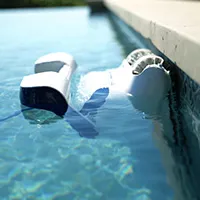
Included NanoFilters plus standard fine filters are the spec that wins plaster. You run the ultra-fine media when dust or scale flakes are the problem and the standard set the rest of the season, and either swaps in seconds from the top with no tools. The 3-hour cycle, the longest of the Dolphin cycles here, gives fine powder more passes through the filter, and dual scrubbing brushes work the waterline every cycle. Plaster is on its published surface list. The catch: it has two brushes where the runner-up has four, so on badly etched plaster it scrubs less per pass.
Best for
New to mid-life plaster, and any plaster pool where dust and cloudiness are the main complaint.
Keep in mind
Run from a timer on the power supply, with nothing to tap on a phone. It weighs 20.3 lb.
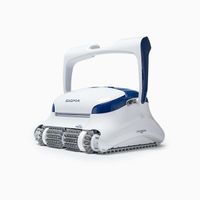
Four scrubbing brushes are the Sigma's winning spec, and they matter most once plaster has etched: more bristle reaches into more pits on every pass. NanoFilters and standard cartridges are both included, three commercial-grade ProLine motors move 4,500 GPH, and it scrubs the waterline on a 2.5-hour cycle. The myDolphin Plus app sends a filter alert, handy when plaster dust fills the fine media sooner than expected. The catch: it is the highest-priced robot on the page, and on young, smooth plaster its extra brushing is more than the surface needs.
Best for
Older, rough plaster with a stubborn scale line, and owners who want app alerts and schedules.
Keep in mind
Top price and a 24.6 lb lift. On smooth plaster you are paying for brushing you may not need.
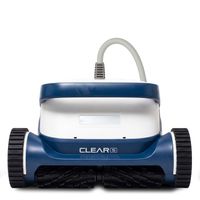
One-micron fine panels are the Clear S's case for plaster. The UltraFilter basket pairs them with 180-micron coarse panels, so powder and larger debris each have somewhere to go. Flow is 8,500+ GPH from two pump motors, front and rear active brushes scrub in both directions, and one of its six modes is a Waterline only cycle for the scale line. The catch: schedules are set in the Clear app, and it ranks behind the two Dolphins above because their plaster rating is spelled out on a published surface list.
Best for
Plaster pools up to 50 ft where the waterline needs extra attention between full cycles.
Keep in mind
Its price usually sits between the fourth pick and the first; see the live price on the card.
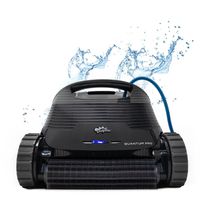
A full set of NanoFilter panels, included at the lowest price of the 50 ft robots here, is the Quantum's argument. They sit in an XXL MaxBin basket of over 400 sq in that opens from the top with one click, so rinsing out plaster dust is quick. Its dual HyperBrush spins at twice the speed of standard brushes, it scrubs the waterline, and it cleans stairs and sun shelves, where dust settles too. Plaster is on its surface list. The catch: a 2-hour cycle means fewer passes at fine dust than the longer-running robots above, and the warranty runs 2 years.
Best for
Plaster pools with steps or a sun shelf, and buyers who want ultra-fine media without the top price.
Keep in mind
Shorter cycle and shorter warranty than the first two picks. In heavy dust, plan on a second run.

A small pool does not need a 50 ft robot, and for plaster pools of 33 ft or less the Cayman does the job for less money. Plaster is on its surface list, one HyperBrush spinning at twice the speed of standard Dolphin brushes suits smooth and mid-life plaster, dual 24-volt DC motors move over 4,000 GPH, and the MaxBin basket is 50% larger than standard Dolphin filters. The catch: NanoFilter panels are an optional add-on, so budget for them if dust is your problem, and it cleans floor and walls but does not scrub the waterline, so the scale line stays a hand job.
Best for
Compact plaster pools and spools where a lower price matters more than waterline scrubbing.
Keep in mind
Ultra-fine panels cost extra, the timer runs every day only, and the warranty is 2 years.
Free Shipping30-Day Trial: use it in your pool, return it within 30 days of deliveryLow Price GuaranteeAuthorized dealer with the full manufacturer's warrantyInstallment options, when offered, appear at checkout
How to Judge a Robot for Plaster
-
Ultra-Fine Filtration
Plaster dust, and the fine scale flakes that follow it in later years, pass through a standard filter and drift back out as a cloud. Look for ultra-fine media included in the box: NanoFilters on the Dolphins, 1-micron panels on the Clear.
-
Waterline Scrubbing
Calcium builds first where water meets air. A robot that climbs to the waterline and scrubs there every cycle helps with the scale line while it is still a soft film. It will not remove scale that has already hardened.
-
Brush Count for Aged Plaster
Smooth plaster needs little scrubbing. Etched plaster has pits that hold algae and dirt, and more brushes reach more of them. If the floor feels like sandpaper underfoot, weight brushing more heavily than you otherwise would.
-
Cycle Length
Fine dust resettles while a robot works. A longer cycle makes more passes through the same water and picks up more of what the first passes stirred. Three hours beats two when the problem is powder, not leaves.
Filters, Brushes and Cycle Times Compared
| Specification |
Dolphin Premier
Top pick
|
Dolphin Sigma
Pick 2
|
Clear S
Pick 3
|
Dolphin Quantum
Pick 4
|
Dolphin Cayman
Pick 5
|
|---|---|---|---|---|---|
| Price today | $1,949 | $2,349 | $1,749 | $1,599 | $1,049 |
| Brushes | Dual scrubbing brushes | Quad scrubbing brushes | Front and rear active brushes | Dual HyperBrush | HyperBrush |
| Cleans | Floor, walls and waterline | Floor, walls and waterline | Floor, walls and waterline | Floor, walls, waterline, sun shelves and stairs | Floor and walls |
| Traction | HyperGrip tracks | HyperGrip tracks | — | HyperGrip tracks | HyperGrip tracks |
| Pool length | Up to 50 ft | Up to 50 ft | Up to 50 ft | Up to 50 ft | Up to 33 ft |
| Filtration | Multi-Media: NanoFilters, oversized leaf bag and standard fine filters | NanoFilters and standard filter cartridges | UltraFilter basket: 1-micron fine and 180-micron coarse panels | XXL MaxBin basket with standard and NanoFilter panels | MaxBin basket with fine panels; NanoFilter panels optional |
| Robot weight | 20.3 lb | 24.6 lb | — | 18.3 lb | 14.6 lb |
| Warranty | 3 years | 3 years | 3 years (limited) | 2 years | 2 years |
| Buy | See priceDetails | See priceDetails | See priceDetails | See priceDetails | See priceDetails |
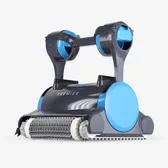
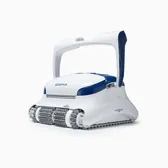
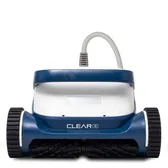
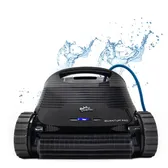

Specifications are the manufacturers' published figures. Prices are live from our store.
New Plaster: When a Robot Can Go In
Fresh plaster cures under water for weeks. During that time it sheds dust that has to be brushed by hand and cleared by the pool's own filter. Do not run a robot during the builder's start-up period. The wait is typically about four weeks, but your builder's instructions take priority over anything on this page.
Once you have the go-ahead, expect the first few cycles to bring up a lot of fine powder. Fit the ultra-fine media, rinse it after every cycle, and do not be alarmed if a full-filter indicator trips early. That is the robot doing its job.
Scale, Etching and What a Robot Cannot Do
Plaster and calcium are tied together. When water balance drifts one way, calcium deposits as rough, grey-white scale, first at the waterline. When it drifts the other way, the water draws calcium out of the plaster and leaves it etched. A robot fixes neither. Water chemistry does.
What a robot contributes is routine: regular scrubbing at the waterline and steady collection of dust, so the water stays clearer between brushings. Hardened scale, calcium nodules and stains need treatment or a professional. And a robot never replaces sanitizer, or the hand brushing an algae treatment calls for.
Aged Plaster Is Hard on Brushes
Etched plaster is abrasive. Brushes that last for years on a liner wear noticeably faster on a rough old plaster floor, and worn brushes climb walls poorly. Check them a few times a season. If the robot starts sliding off the wall or leaving the tile line untouched, look at the brushes before anything else. Plaster rough enough to scrape skin is heading for resurfacing, and no robot changes that. Ask a Pool Pro about replacement brushes for your model.
Pool Pro Tips for Plaster Pools
- Pool Pro tip: keep both filter grades by the pool. Run ultra-fine after a dust storm, an acid wash or start-up, and the standard set in ordinary weeks.
- Pool Pro tip: hose out ultra-fine filters as soon as the robot comes out of the water. Plaster dust left to dry in the media cakes hard.
- Take the robot out before adding acid, shock or a scale treatment, and put it back once the water has circulated.
Plaster Pool Questions
How soon can a robot go into a newly plastered pool?
Not until the builder's start-up period is over, which is typically about four weeks. The plaster is still curing and shedding dust during that time, and start-up calls for hand brushing. Ask your builder for the date in writing, then begin with the ultra-fine filters fitted.
Will a robot's brushes wear down pool plaster?
Plaster is on the published surface list for all four Dolphins here, and their brushes are made for it. In practice the wear runs the other way: rough, aged plaster wears the brushes. If plaster is already flaking, a robot will pick up the loose pieces, but the cause is the plaster, not the cleaner.
Why does a plaster pool keep producing fine grey-white dust?
In a new pool it is plaster dust from curing. In an older pool it is usually scale flaking off or the surface etching, and both point to water balance. A robot with ultra-fine media will collect the dust, but it will keep coming until the chemistry is corrected.
Is the best robotic pool cleaner for plaster pools also right for quartz finishes?
Yes. Quartz-blend plaster is still plaster as far as a robot is concerned: smooth when new, slightly more durable, and cleaned the same way. Pebble is a different case because of its texture, and brush count matters more there.
Should the robot stay in a plaster pool between cycles?
A robot on a timer or app schedule is made to stay in the water between scheduled cycles. Lift it out at least weekly to empty and rinse the filter, take it out before shocking or adding chemicals, and store it dry and out of direct sun when the pool will sit unused for a long stretch.
The Plaster Rule of Thumb
Buy for the dust first and the brushes second. On new to mid-life plaster, the Premier's two included filter grades and 3-hour cycle make it the pick. On old, etched plaster, pay for the Sigma's four brushes. The Clear S and the Quantum bring ultra-fine media and waterline scrubbing for less than the Premier, and a small pool can run the Cayman with NanoFilter panels added. Water balance, not a robot, decides how your plaster ages.
How we pick and how we earn: Pool Express is an authorized dealer and sells every robot recommended in this guide. Picks are ranked for this pool or problem from each robot's published specifications. Prices shown are pulled live from our store and may change. Last updated November 23, 2026.